Stop reciting: how to tell your story as a craftsman
Key takeaways — Your story is your best marketing asset, as long as it is prepared and told in your own words, neither improvised nor recited. Here is how I nearly ruined my first talk by handing my speech to an AI, what my father said to save it, and a 3-step method to tell your story for real. The full account is available in French.
Two traps: improvising or reciting
Craftsmen master their trade, but rarely take the time to think about what they want to say about themselves. So when the moment comes (a client, a journalist, your website), they improvise, and end up scattered and forgettable. The opposite trap is reciting an over-polished speech that doesn't sound like you. The truth sits in between: prepare your story and your message, then tell it in your own words.
The 3-step method
1. Start by hand, on paper
The pen forces you to slow down, and that is when real memories surface. Only once your ideas are on paper should you ask an AI to help organise them.
2. Look for the anecdote, not the argument
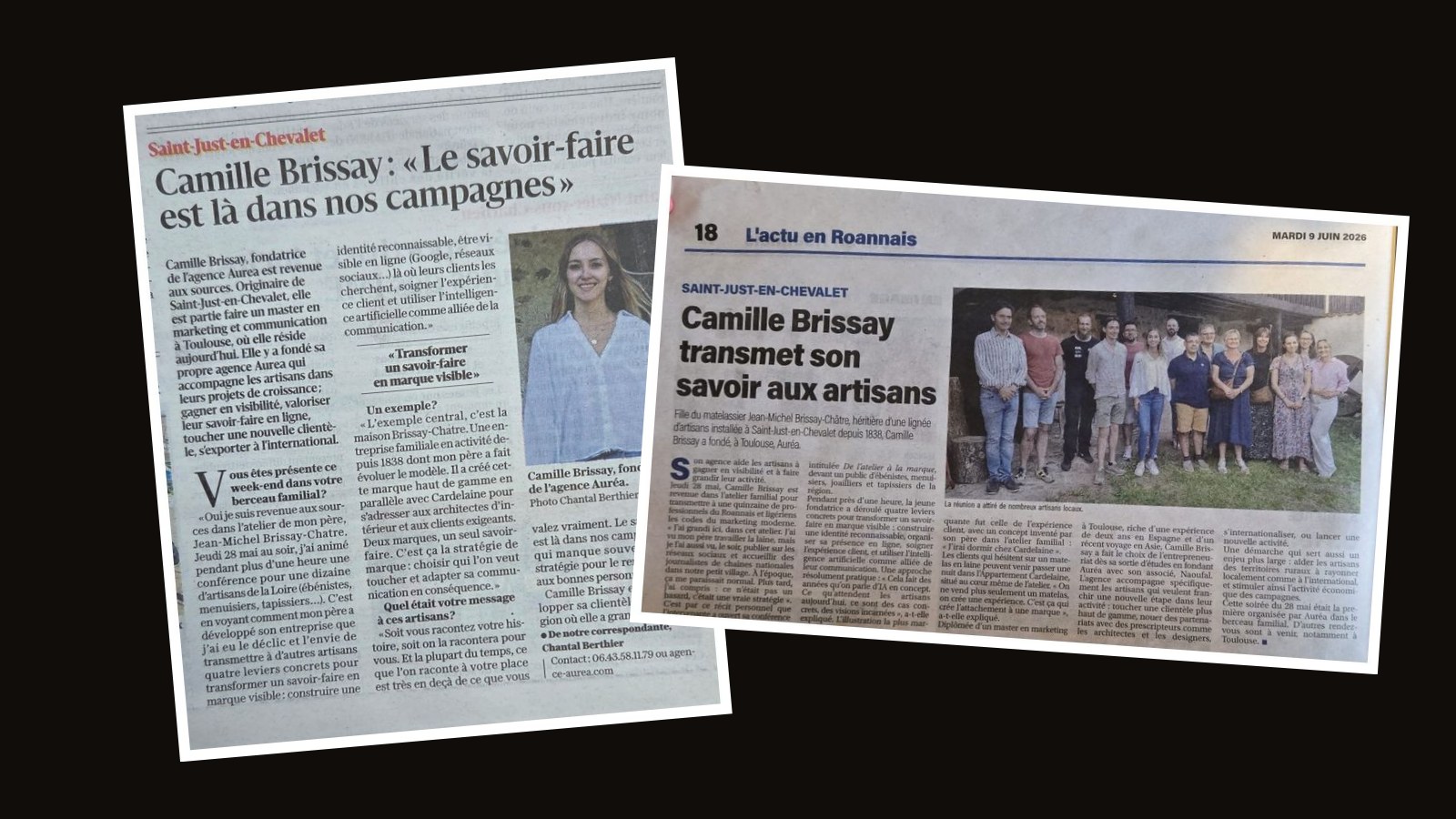
A precise moment: a smell, a sentence, a gesture. "My father had France 2 film him in our little village" lands far better than "my father is good at communication".
3. Read it out loud
If it doesn't sound like what you would say to a friend, rewrite it. AI can structure your ideas; it will never replace your voice.
AI writes fast, but it doesn't tell your story
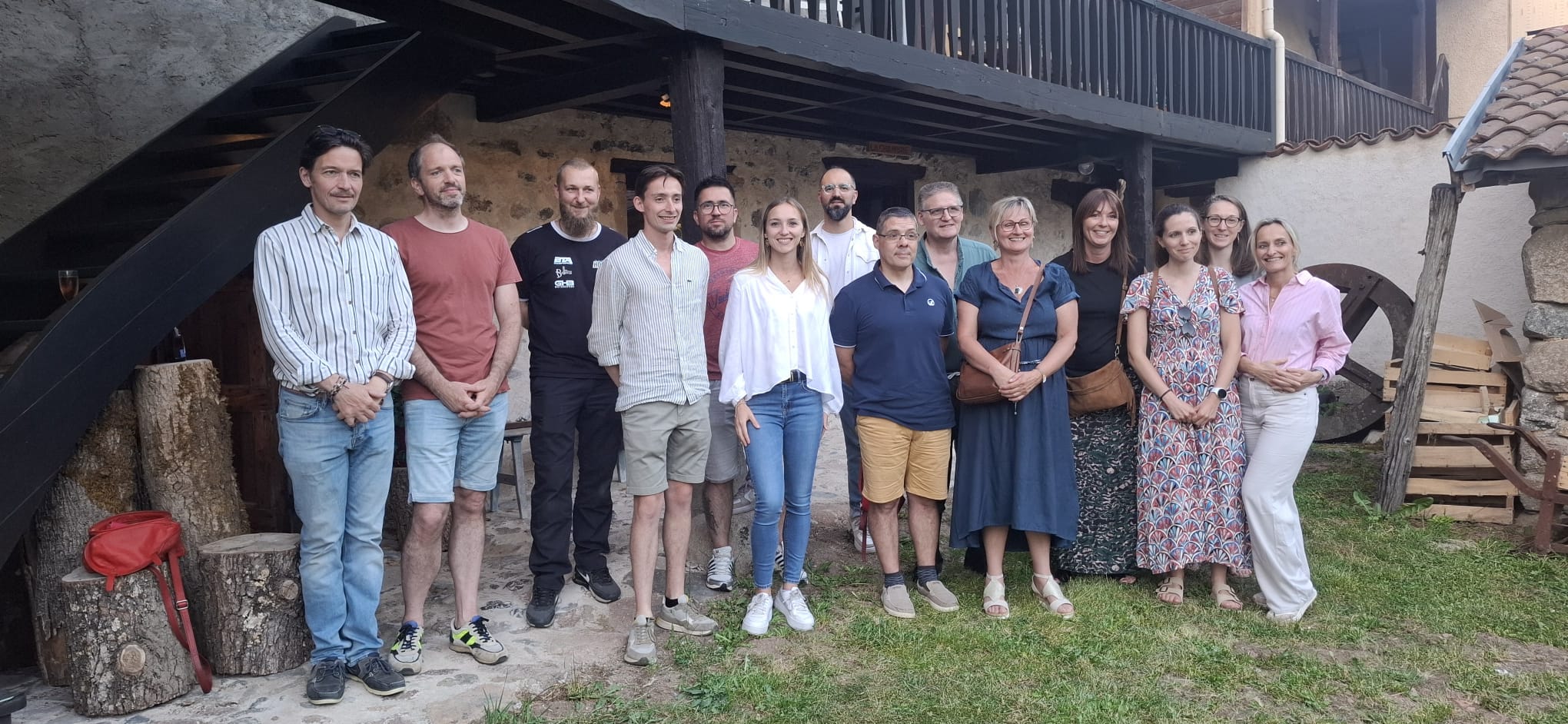
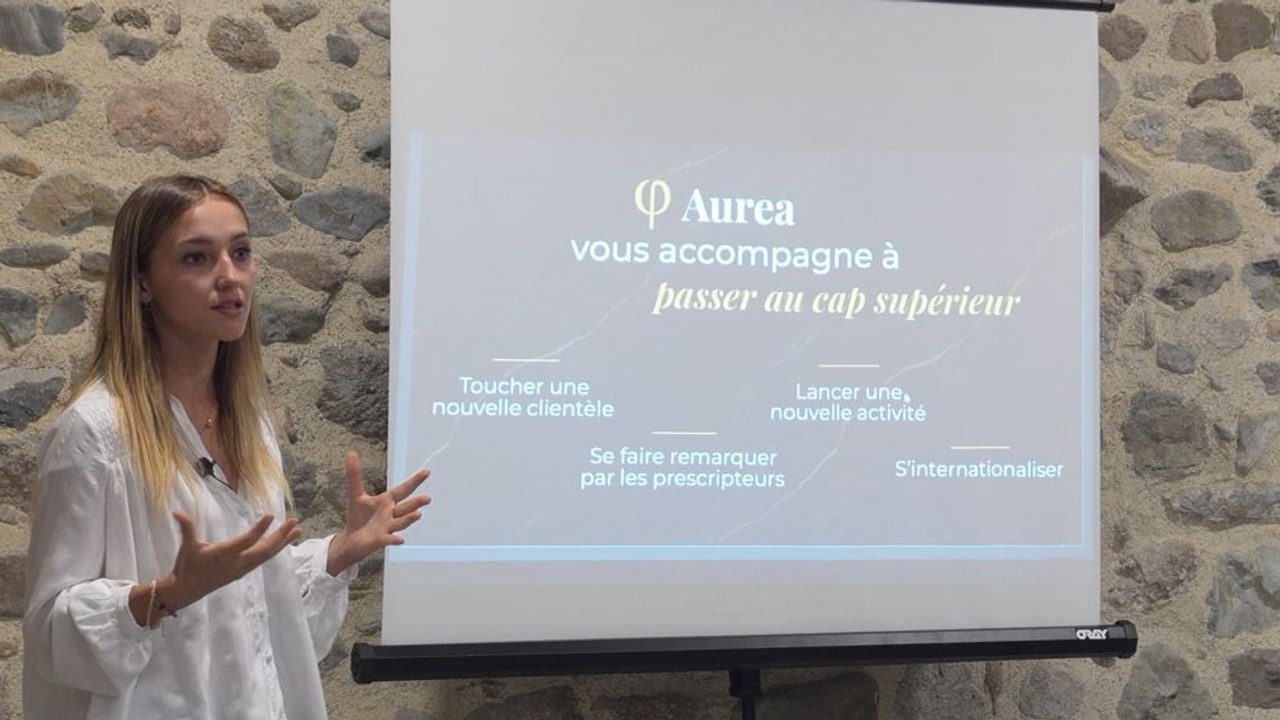
At Auréa we use AI every day to structure and go faster. But it always starts from what already exists. Your story exists nowhere else: it is your one truly uncopiable advantage (you can see this work on our projects). It is the same story the local press is looking for, and the same one that should anchor a website that attracts the right clients. It is the lever I shared at an evening among artisans.
Your turn
Your story doesn't improvise itself. Take the time to think about the message that sets you apart, then tell it in your own words, in your own way. If you would like help finding it, let's talk.